

Amino Acid Root Nourish Foliar Fertilizer
1. Introduction
The name Root Nourish identifies the stage at which this formula may be considered, but the confirmed delivery route is through the crop canopy. This distinction matters. The product is not being presented as a root drench, a fertilizer injector concentrate or a guaranteed rooting treatment.
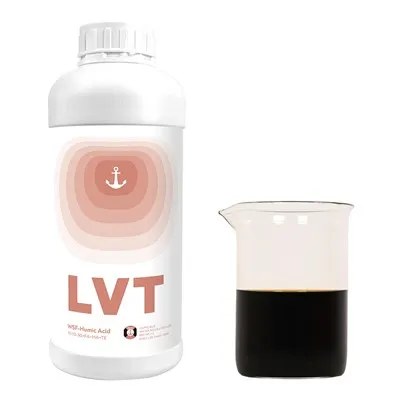
The blue clear liquid contains at least 120 g/L amino acids and 120 g/L organic matter. Nitrogen is supplied at 60 g/L, with smaller contributions from potassium, zinc, boron, calcium and copper. Amino acid chelation is the stated formulation technology.
This nutrient profile can be placed into an establishment-stage program once transplants or young crops have developed enough foliage to intercept a fine spray. Root-zone moisture, aeration, temperature and irrigation management remain separate priorities and should be corrected directly when they limit establishment.
2. The Name Describes the Stage, Not the Delivery Route
Product names often summarize a production objective, while the application directions determine how the material must actually be used. For this version, the approved page instruction is whole-canopy foliar spraying at 500-800x dilution.
That means the spray target is the leaf surface and active growing area. It should not be poured around stems, added to drip irrigation or used as a seedling soak unless LVT supplies separate technical instructions for that method.
This positioning also sets a realistic performance boundary. A foliar nutrient pass can supplement an establishment program, but it cannot restore oxygen to waterlogged media, repair physically damaged roots or compensate for poorly calibrated irrigation.
Confirm the Correct Application Route
3. Technical Data & Specifications
| Item | Specification |
|---|---|
| Amino Acids (AA) | ≥120 g/L |
| Organic Matter (OM) | ≥120 g/L |
| Nitrogen (N) | ≥60 g/L |
| Potassium (K) | ≥8.5 g/L |
| Zinc (Zn) | ≥4 g/L |
| Boron (B) | ≥2 g/L |
| Calcium (Ca) | ≥1.5 g/L |
| Copper (Cu) | ≥0.7 g/L |
| Chelation Technology | Amino acid chelation |
| Formulation | Clear liquid concentrate |
| Appearance | Blue clear liquid |
| Density | 1.15 g/mL |
| pH | 8.0 ± 0.5 |
| Standard Package | 1 L bottle |
| Confirmed Application Method | Whole-canopy foliar spraying |

4. Read the Formula in Two Layers
The organic and nitrogen layer
Amino acids and organic matter each reach 120 g/L, while nitrogen is declared at 60 g/L. Together, these values define the main quantitative base of the product. The nitrogen contribution should be counted in the complete crop program, especially where young plants already receive frequent nitrogen feeding.
The supporting mineral layer
Potassium is present at 8.5 g/L and calcium at 1.5 g/L. These are supporting amounts rather than the concentrations expected from a dedicated high-potassium or high-calcium corrective fertilizer.
Zinc, boron and copper are supplied at 4 g/L, 2 g/L and 0.7 g/L, respectively. Because all three can also appear in other foliar products, seed treatments or base fertilizers, overlapping inputs should be reviewed before repeat use.
What amino acid chelation does and does not establish
Amino acid chelation describes the formulation approach used to complex mineral components. It does not, by itself, prove a specific absorption percentage, rooting rate or yield response. Product-specific trial data would be required for those claims.
5. Five Establishment Checks Before a Foliar Pass
1. Is there enough leaf area?
Very small plugs and newly emerged seedlings may not intercept spray efficiently. Wait until the crop presents a usable canopy unless crop-specific guidance indicates otherwise.
2. Is the root zone physically functional?
Check drainage, moisture distribution and substrate aeration. A foliar fertilizer does not correct standing water, compaction or damaged irrigation hardware.
3. Is the crop actively growing?
Avoid treating severely wilted, chilled, heat-stressed or waterlogged plants. Stabilize the production environment first.
4. Have micronutrient overlaps been counted?
Review current zinc, boron and copper inputs from all sources. Do not schedule this product as if it contained amino acids alone.
5. Can the canopy dry normally?
Choose a spray window with moderate temperature, low wind and enough drying time before nightfall or rainfall.
6. Crop Situations Where Leaf Access Makes Sense
Vegetable transplants after establishment
Tomato, pepper, eggplant, cucumber, melon and watermelon transplants may be considered after they have resumed active growth and developed sufficient true-leaf area. The initial treatment should use the more dilute end of the range.
Commercial nurseries
Vegetable plugs, young ornamental plants and selected fruit-tree nursery stock can receive uniform foliar coverage when tray spacing, canopy density and nozzle selection are properly controlled. Small-area testing is especially important where many varieties share one production area.
Young field crops with an accessible canopy
Maize, beans and other field crops may fit the program after stand establishment if a combined amino acid, nitrogen and micronutrient foliar input is justified. Calendar spraying without a crop or nutrient assessment is not recommended.
Perennial crops during new flush
Young citrus, vines and other perennial crops may be evaluated during active leaf development. Use should be based on the complete orchard nutrition plan rather than the product name alone.
7. Application Directions
| Application Method | Dilution Ratio | Spray Target | Timing and Notes |
|---|---|---|---|
| Whole-canopy foliar spraying | 1:500-800 | Apply a fine, even spray to leaves and active growing areas without excessive runoff | Spray during a cool, calm period. Begin at 1:800 for young plants, sensitive varieties or first use. |
The recommendations above represent the most suitable application methods and rates for this product. If you plan to use a different fertilization method, please contact us for specific guidance.
Dilution Reference
| Final Water Volume | Product at 500x | Product at 800x |
|---|---|---|
| 15 L | 30 mL | 18.75 mL |
| 20 L | 40 mL | 25 mL |
| 100 L | 200 mL | 125 mL |
| 500 L | 1.00 L | 625 mL |
| 1,000 L | 2.00 L | 1.25 L |
Select the dilution from the final water volume, crop sensitivity and canopy condition. Increasing concentration is not a substitute for correcting poor nozzle output or uneven travel speed.
8. Calibrate Coverage Before Increasing Concentration
- Inspect the tank, filters, hose, pressure regulator and nozzles.
- Confirm the actual spray volume over a measured area using clean water.
- Half-fill the tank and start agitation.
- Measure the product according to the final water volume and selected dilution.
- Add the fertilizer to the water, then complete the tank volume.
- Apply fine droplets across the canopy while avoiding pooling on leaf edges and growing points.
- Check both the near and far side of the row for missed strips.
- Use the prepared spray during the same working period and rinse the equipment afterward.
For a new crop, variety, water source or tank mixture, conduct a jar test and a small-area crop test before full application. Do not mix undiluted concentrates directly. Stop if cloudiness, flakes, sediment, separation, unusual heat or excessive foam develops.
9. Specification Control for Buyers and Distributors
The revised product identity should state blue clear liquid, 1.15 g/mL density, pH 8.0 ± 0.5 and a standard 1 L bottle. Older page language describing root drenching, fertigation or multiple package sizes should not be transferred into current labels or quotations without separate confirmation.
The formula also needs careful notation. Nitrogen and potassium are declared separately as N ≥60 g/L and K ≥8.5 g/L. Calcium at 1.5 g/L is part of the current specification even though it did not appear in the earlier online formula.
Store the sealed bottle in a cool, dry and ventilated location, protected from direct sunlight, freezing and prolonged heat. Keep it away from food, feed, children and unauthorized users. Inspect the blue clear liquid before measuring and follow destination-market labeling requirements.
10. FAQ
1. Why is a product named Root Nourish applied to leaves?
The name identifies its establishment-stage positioning. The confirmed instruction for this version is whole-canopy foliar spraying at 500-800x dilution. The delivery route should follow the technical specification rather than assumptions based on the name.
2. Can it be poured around the roots or injected through drip lines?
Those methods are not confirmed for this page. Contact LVT for separate crop-specific instructions before considering root drenching, fertigation or seedling soaking.
3. Are nitrogen and potassium declared as one combined NK value?
No. The current specification lists them separately as N ≥60 g/L and K ≥8.5 g/L. The potassium value should not be changed to K2O without confirmation.
4. Can foliar application repair damaged roots?
No. It may supplement an establishment-stage nutrition program, but physical root damage, waterlogging, poor aeration, disease and irrigation faults require direct management.
5. Which dilution is appropriate for the first application?
Begin at 1:800 on a small area, particularly for young plants or sensitive varieties. Review crop response and spray coverage before moving toward 1:500.
6. Does the amino acid and organic matter content make it certified organic?
No. Composition alone does not establish organic certification. Eligibility depends on the ingredients, manufacturing process and regulations of the destination market.
Contact WEIFANG LVWEITE BIO-TECH CO., LTD. for:
- Product samples
- Technical data and COA
- MSDS
- OEM packaging
- Private-label production
- Export quotations
- Registration support
Hot Tags: amino acid root nourish foliar fertilizer | lvt, China amino acid root nourish foliar fertilizer | lvt manufacturers, suppliers, factory