

Amino Acid Fruit Nourish Foliar Fertilizer
1. Introduction
Fruit-stage fertilizers are often grouped together even when they are designed for different jobs. A high-potassium product, a concentrated calcium treatment and a multi-element foliar feed may all appear in the same crop calendar, but they should not be selected by name alone.
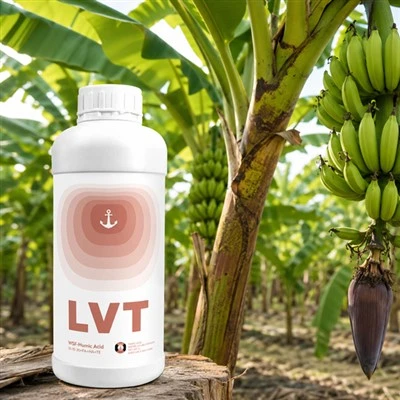
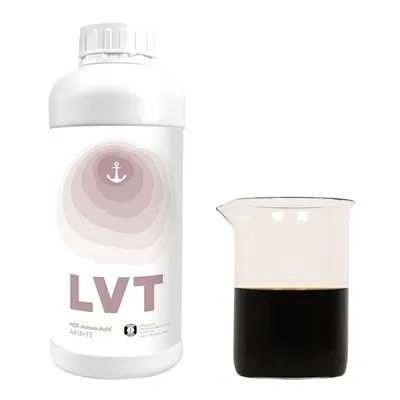
LVT Amino Acid Fruit Nourish Foliar Fertilizer is a multi-component liquid for selected periods of fruit development. It contains 100 g/L amino acids, 110 g/L organic matter and a combined NK declaration of 60 g/L. Calcium, boron, zinc, iron, manganese and molybdenum complete the confirmed mineral profile.
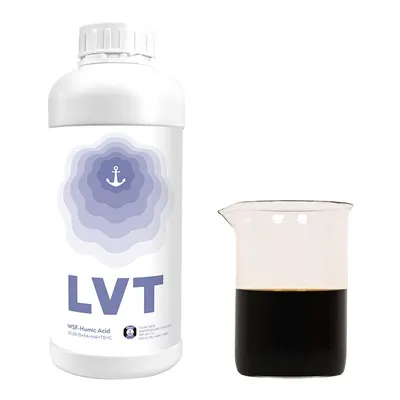
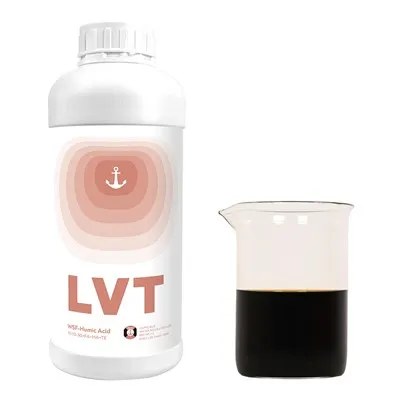
The product is an amber clear liquid with a density of 1.15 g/mL and a pH of 8.5 ± 0.5. It uses amino acid chelation, comes in a 1 L bottle and is intended for whole-canopy foliar spraying at 500-800x dilution.
Its practical value lies in placing several declared nutrients into one scheduled spray. It is not positioned as a stand-alone fruit bulking fertilizer, a ripening formula or a guaranteed treatment for fruit drop, cracking or storage disorders.
2. Read This Product Against the Next Fertilizer
The best way to understand this formula is to compare it with the product that would otherwise be chosen for the same crop stage.
| Production Priority | Is This Formula the Primary Match? | Selection Note |
|---|---|---|
| Combined amino acid, calcium, boron and zinc foliar input after fruit set | Potentially yes | Confirm crop demand and every overlapping micronutrient source. |
| Strong potassium input for later fruit filling | Not as the main high-potassium product | NK is declared as a combined value, and no separate high K guarantee is provided. |
| Correcting a confirmed severe calcium shortage | Not as a dedicated high-calcium corrective | Calcium is included at 4.5 g/L within a broader formula. |
| Root-zone feeding or fertigation | Not confirmed for this specification | The current direction covers whole-canopy foliar spraying only. |
| Color development near harvest | Requires a separate stage review | Do not assume an early fruit-development formula remains the best choice through ripening. |
| Item | Specification |
|---|---|
| Amino Acids (AA) | ≥100 g/L |
| Organic Matter (OM) | ≥110 g/L |
| NK | ≥60 g/L |
| Calcium (Ca) | ≥4.5 g/L |
| Boron (B) | ≥9 g/L |
| Zinc (Zn) | ≥7.25 g/L |
| Iron (Fe) | ≥1.3 g/L |
| Manganese (Mn) | ≥2.5 g/L |
| Molybdenum (Mo) | ≥0.53 g/L |
| Chelation Technology | Amino acid chelation |
| Formulation | Concentrated clear liquid |
| Appearance | Amber clear liquid |
| Density | 1.15 g/mL |
| pH | 8.5 ± 0.5 |
| Standard Package | 1 L bottle |
| Confirmed Application Method | Whole-canopy foliar spraying |
| Recommended Dilution | 1:500-800 |
4. What the Formula Means for Product Selection
The base is larger than the mineral fraction
Amino acids and organic matter form the main declared base at 100 g/L and 110 g/L respectively. Amino acid chelation describes the complexing method used in the formulation. These figures do not establish an absorption percentage, organic certification or a guaranteed response under every field condition.
Calcium is present, but it does not define the entire product
Calcium is supplied at 4.5 g/L. That makes it a confirmed part of the formula, but not a reason to market the product as a concentrated calcium corrective. A buyer seeking a calcium-led treatment should compare this value with the calcium guarantee of a dedicated product.
Boron and zinc are prominent purchasing details
Boron is declared at 9 g/L and zinc at 7.25 g/L. These are substantial enough to affect product selection and application planning. Before use, growers should account for boron and zinc already supplied through soil fertilizers, earlier foliar treatments or pesticide combinations.
Manganese, iron and molybdenum broaden the profile
Manganese at 2.5 g/L, iron at 1.3 g/L and molybdenum at 0.53 g/L give the product a wider mineral scope. Their presence should not be converted into claims about faster ripening, higher sugar content or longer shelf life without product-specific trial evidence.
5. Three Windows, Three Different Questions
Window 1: After fruit set is confirmed
The first question is whether the crop needs a combined foliar input rather than another flowering-stage product. Application should follow confirmed fruit set and crop-specific guidance. Avoid treating open flowers under stressful conditions unless crop tolerance is already established.
Window 2: During initial fruit growth
At early fruit development, spray access and nutrient overlap become more important than adding more product to the tank. The formula may be considered where leaves and reachable young fruit can be covered evenly and where the declared calcium, boron, zinc and supporting elements fit the current program.
Window 3: Before the program shifts toward filling or ripening
The third question is when to stop. As fruit size, crop load and maturity advance, the next fertilizer may need a different nutrient balance. Review the program before moving into heavy fruit filling, color development or late-season management.
6. Crop Fit by Spray Access
Exposed clusters and berries
Grapes, strawberries and other accessible berry crops allow the operator to see whether spray reaches the leaves and young fruit zone. Use fine droplets and avoid solution collection inside tight clusters or flowers.
Orchard fruit behind a deeper canopy
Apple, pear, citrus, peach and similar orchard crops require enough water volume and nozzle direction to move beyond the outside leaf layer. Coverage should be improved through equipment setup, not by automatically increasing concentration.
Greenhouse fruiting vegetables
Tomato, pepper, cucumber and eggplant can develop dense vertical canopies. Position the spray toward active leaves and reachable young fruit without repeatedly soaking the same surface. Consider greenhouse temperature and humidity before choosing the application time.
Melons and other ground-running vines
Melon and watermelon leaves can overlap and shield fruiting nodes. Walking direction and lance angle should be adjusted so the spray reaches more than the top leaf surface.

7. Application Directions
| Application Method | Dilution Ratio | Coverage Target | Operating Notes |
|---|---|---|---|
| Whole-canopy foliar spraying | 1:500-800 | Cover active leaves and reachable young fruit surfaces with a fine, even spray without heavy runoff. | Apply during the cooler part of the day. Choose the final concentration according to crop tolerance, fruit stage, water quality and overlapping nutrients. |
The recommendations above represent the most suitable application methods and rates for this product. If you plan to use a different fertilization method, please contact us for specific guidance.
Dilution Reference
| Final Water Volume | Product at 500x | Product at 800x |
|---|---|---|
| 15 L | 30 mL | 18.75 mL |
| 20 L | 40 mL | 25 mL |
| 100 L | 200 mL | 125 mL |
| 500 L | 1.00 L | 625 mL |
| 1,000 L | 2.00 L | 1.25 L |
For a new crop, variety or spray combination, begin at 1:800 on a small representative area. A 1:500 mixture contains more product per liter and should only be selected after crop tolerance and the nutrient plan have been reviewed.
8. Target Zones, Not Blanket Wetting
Whole-canopy spraying does not mean that every surface should be soaked. The useful target is the active leaf area together with young fruit surfaces that can be reached without excessive pressure or runoff.
In grapes, direct part of the spray toward the leaf and cluster zone rather than only across the canopy top. In orchards, adjust nozzle direction to reach inside the canopy while avoiding large droplets that collect and fall. In greenhouse vegetables, change lance height as the crop grows instead of using one fixed angle for the entire season.
Measure the required product before filling the tank. Start with clean water, add the fertilizer while maintaining agitation and complete the final water volume. Spray under stable conditions, then use the prepared solution within the same working period.
Do not apply during intense sunlight, high temperature, strong wind or imminent rainfall. Avoid severely wilted, waterlogged or visibly damaged crops. Rinse the tank, hose, filters and nozzles after application.
9. Specification Control Before Ordering or Mixing
Before issuing a quotation
Use the current formula in every quotation, label draft and technical sheet. Organic matter is 110 g/L, not 120 g/L. The standard package is 1 L, and the physical description is amber clear liquid.
Before preparing a tank
The pH of 8.5 ± 0.5 applies to the concentrate. It does not predict the final tank pH after dilution. Water alkalinity and other materials can change the mixture, so a jar test should use the actual spray water and intended proportions.
Add materials one at a time. Do not pour undiluted fertilizer concentrates together. Reject the mixture if it develops persistent cloudiness, sediment, gel, separation, excessive foam or unusual heat. Physical stability does not replace a small-area crop-safety test.
Before storing or releasing stock
Keep the bottle closed in a cool, dry and ventilated place. Protect it from freezing, direct sunlight and prolonged heat. Confirm that the liquid remains clear and that the packaging is undamaged before dispatch or use. Final labels and directions must comply with the destination market.
10. FAQ
1. Is this a high-potassium fruit enlargement fertilizer?
No separate high potassium guarantee is provided. NK is declared as a combined value of 60 g/L. A potassium-led product may be more appropriate when later fruit filling is the primary objective.
2. Can it replace a dedicated calcium fertilizer?
The formula contains calcium at 4.5 g/L, but it is not positioned as a concentrated single-element calcium corrective. Product selection should follow the required calcium rate and the complete nutrient program.
3. Can the same product be used from fruit set through harvest?
It should not be applied automatically throughout the entire fruiting cycle. Reassess the fertilizer balance as the crop moves from initial fruit development into filling, color change and ripening.
4. Does pH 8.5 mean the final spray solution will also have a pH of 8.5?
No. The value applies to the concentrate. Dilution water and other tank materials can change the final pH.
5. Can the product be applied through fertigation or root drenching?
Whole-canopy foliar spraying at 500-800x is the only method confirmed for this specification. Contact LVT before adopting another delivery method.
6. Why is no fixed application interval listed?
Frequency depends on crop stage, variety, climate, nutrient analysis and other fertilizer inputs. Request crop-specific guidance rather than repeating the spray on an unverified calendar.
Contact WEIFANG LVWEITE BIO-TECH CO., LTD. for:
- Product samples
- Technical data and COA
- MSDS
- OEM packaging
- Private-label production
- Export quotations
- Registration support
Hot Tags: amino acid fruit nourish foliar fertilizer | lvt, China amino acid fruit nourish foliar fertilizer | lvt manufacturers, suppliers, factory