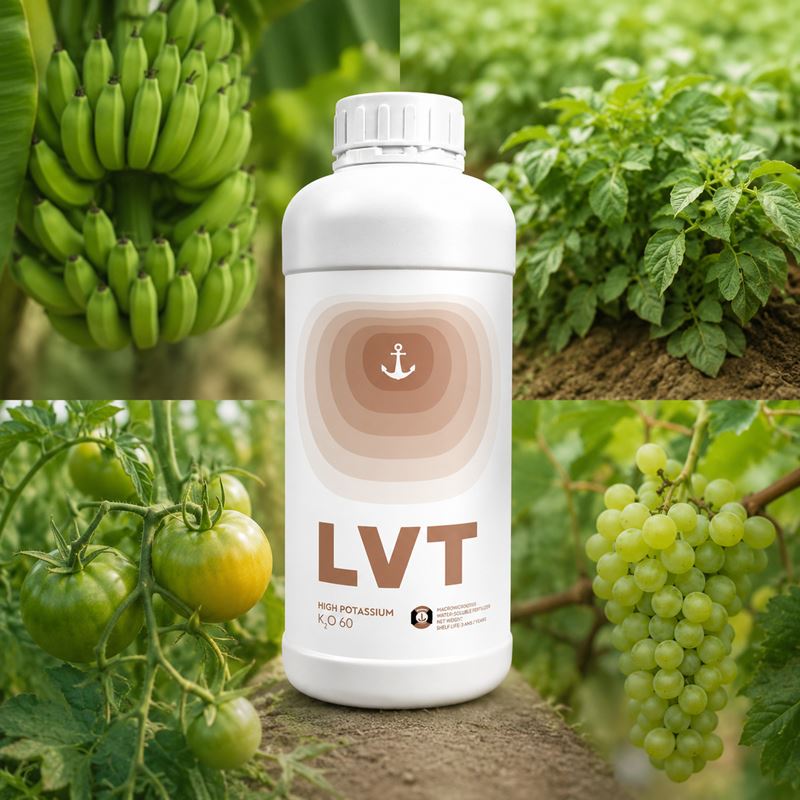
High-Potassium Liquid Fertilizer K₂O 600 + Zn, Co & Organic Matter
1. Introduction
Late-season crop nutrition is often a process of deciding what still needs to be supplied-and what no longer needs to be added.
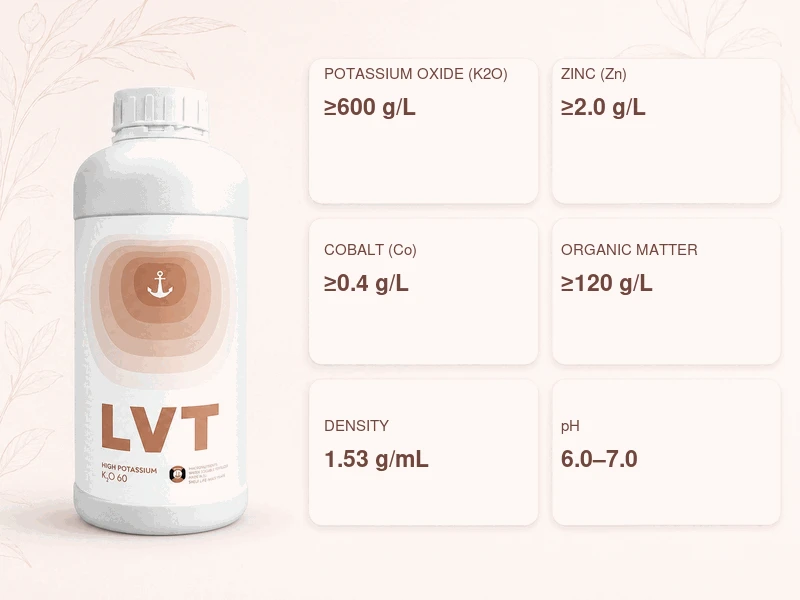
LVT High-Potassium Liquid Fertilizer is built around a clearly defined potassium input. It contains at least 600 g/L potassium oxide, making potassium the central feature of the formulation. Zinc, cobalt and organic matter are included as supporting components.
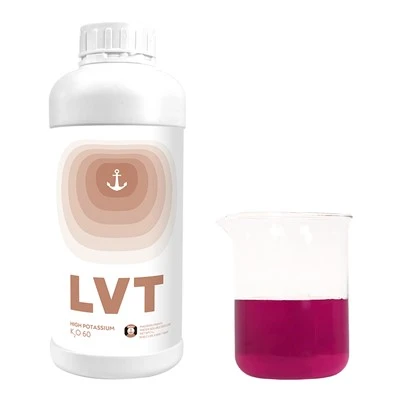
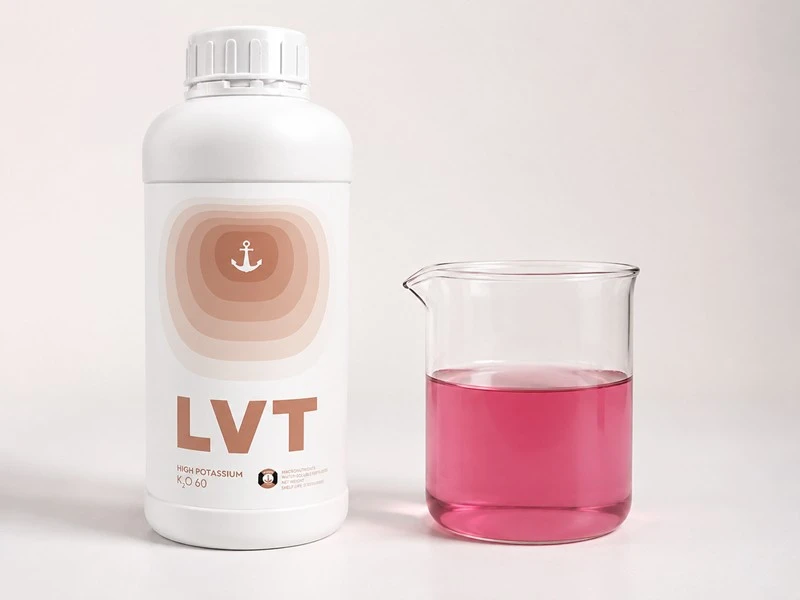
The product is supplied as a pink clear liquid with a density of 1.53 g/mL and a pH of 6.0–7.0. It may be considered when fruit, tuber or other harvested organs are actively developing and the existing crop program requires additional potassium.
This is not a balanced NPK fertilizer. Its use should follow crop stage, soil or tissue information and the nutrients already supplied through base fertilizer, fertigation and previous foliar treatments.
2. What Distinguishes This Formula
2.1 Potassium is the clear priority
Potassium oxide is declared at 600 g/L. The product is therefore positioned as a concentrated potassium supplement rather than routine season-long nutrition.
2.2 Organic matter is included
The formula contains at least 120 g/L organic matter. This broadens the composition but does not, by itself, establish eligibility for certified organic agriculture.
2.3 Zinc and cobalt are declared separately
Zinc is supplied at 2.0 g/L and cobalt at 0.4 g/L. These values give buyers a defined trace-element profile instead of a general, unspecified TE declaration.
2.4 Clear liquid formulation
The pink clear-liquid form allows its physical condition to be checked visually before use. Any unexpected sediment, separation or marked color change should be investigated before application.
2.5 Designed for targeted use
A 600 g/L potassium product should be treated as a stage-specific input. It is not automatically suitable for every crop, every application method or every point in the growing season.
3. Technical Data & Specifications
| Item | Specification |
|---|---|
| Potassium Oxide (K₂O) | ≥600 g/L |
| Zinc (Zn) | ≥2.0 g/L |
| Cobalt (Co) | ≥0.4 g/L |
| Organic Matter | ≥120 g/L |
| Nutrient Positioning | Potassium-focused liquid fertilizer |
| Formulation | Clear liquid |
| Appearance | Pink clear liquid |
| Density | 1.53 g/mL |
| pH | 6.0–7.0 |
| Available Service | OEM and private label |
4. Deciding When Additional Potassium Fits
Instead of relying only on a product name or calendar date, review the following questions before introducing a concentrated potassium fertilizer.
4.1 What is being harvested?
Potassium programs are commonly reviewed during fruit filling, tuber development and other stages when the harvested organ is actively accumulating dry matter.
4.2 What has already been applied?
Account for potassium supplied through base fertilizer, compound NPK products, fertigation concentrates and previous foliar applications. Avoid evaluating this product in isolation.
4.3 Is the crop still actively growing?
Nutritional application requires an active crop canopy. Fertilizer cannot correct fruit or tubers that have already stopped developing because of maturity, severe stress, root failure, pest damage or disease.
4.4 Does the crop require other macronutrients?
This formula should not be assumed to provide a complete NPK program. Where nitrogen or phosphorus is still required, those nutrients need to be managed separately through confirmed compatible inputs.
5. Application Directions
| Application Method | Dilution Ratio | Application Stage | Application Guidance |
|---|---|---|---|
| Whole-canopy foliar spraying | 1:800–1,000 | Apply according to crop stage and nutrient requirements | Spray the foliage evenly with a fine mist, avoiding excessive runoff |
The recommendations above represent the most suitable application methods and rates for this product. If you plan to use a different fertilization method, please contact us for specific guidance.
Contact LVT with the following information before publishing or using a specific rate:
- Crop and variety
- Current growth stage
- Intended application method
- Spray-water or irrigation-water volume
- Area to be treated
- Other fertilizers planned for the same application
- Available soil, water or crop-tissue analysis
6. Crop Groups for Technical Evaluation
6.1 Tropical and orchard fruit
- Banana
- Citrus
- Mango
- Apple and pear
- Peach, nectarine and plum
- Other commercial orchard crops
6.2 Vine and berry crops
- Table and wine grapes
- Strawberry
- Blueberry
- Raspberry and other berry crops
6.3 Fruiting vegetables
- Tomato
- Pepper
- Eggplant
- Cucumber
- Melon and watermelon
6.4 Tuber and storage-root crops
- Potato
- Sweet potato
- Other crops managed with a defined tuber- or root-bulking nutrition program
Inclusion in this list does not establish one universal rate. Crop sensitivity, expected harvest stage and total potassium input still need to be considered.
7. Practical Crop-Stage Considerations
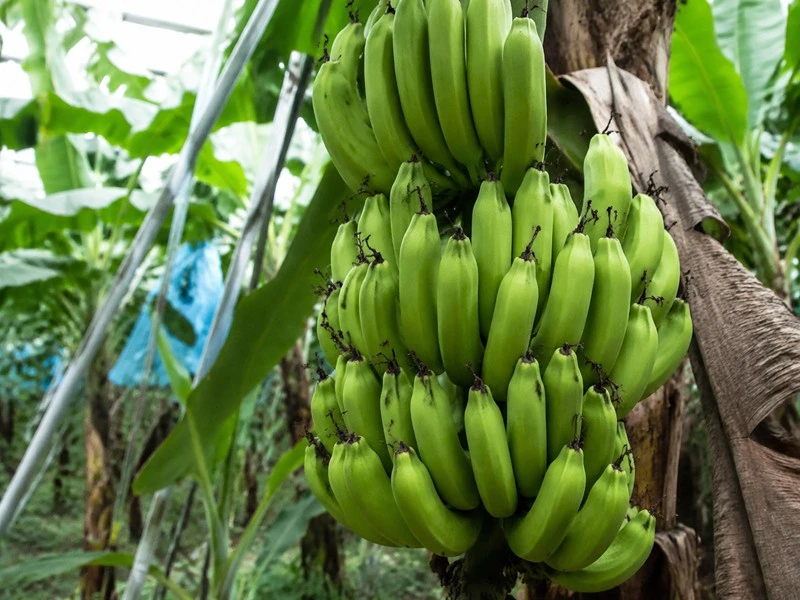
7.1 Banana fruit filling
Application decisions should be based on bunch development, existing soil and fertigation inputs, leaf condition and the remaining period before harvest. Fertilizer cannot compensate for unsuitable bunch load or water shortage.
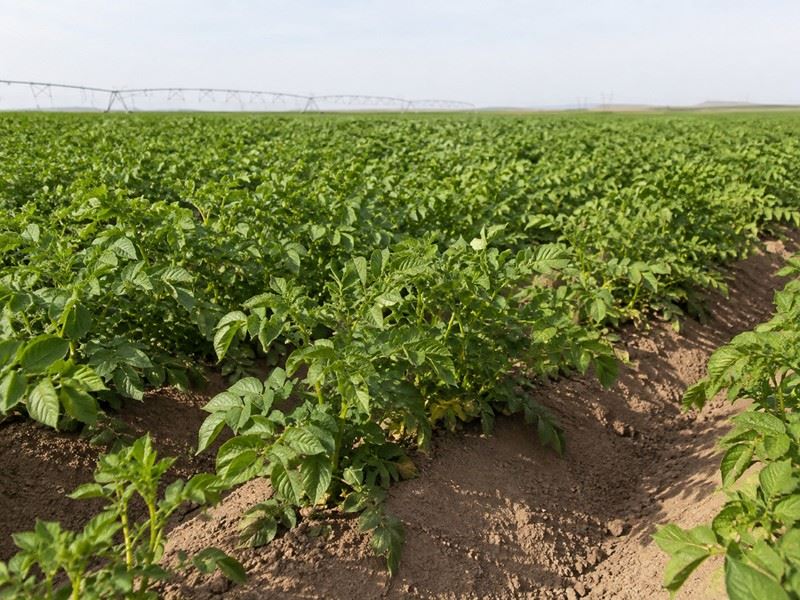
7.2 Potato tuber bulking
The crop canopy should remain sufficiently active to support continued tuber development. Do not interpret natural late-season canopy aging as a condition that can always be reversed through fertilizer.
7.3 Tomato and pepper
Review the balance between continued canopy function and fruit development. Additional potassium should not be used as a substitute for adequate irrigation, calcium management or canopy control.
7.4 Grapes and orchard fruit
Variety, crop load, maturity, light exposure and temperature all influence final fruit characteristics. A potassium fertilizer should not be promoted as a guarantee of color, sweetness, firmness or storage life.

8. Tank Preparation and Compatibility
Before preparing a new mixture:
- Check that the tank, filters and application equipment are clean.
- Use water from the actual irrigation or spray source for compatibility testing.
- Add part of the required water before introducing fertilizer.
- Measure each product separately.
- Add materials one at a time while maintaining agitation.
- Conduct a jar test at the intended proportions.
- Stop if persistent sediment, separation, crystals, excessive foam or abnormal heat develops.
- Use the prepared mixture within the same working period.
- Rinse the tank and equipment after application.
Do not assume compatibility with every fertilizer, pesticide or plant-growth regulator. A clear jar test also does not replace a small-area crop-safety test.
The pH value of 6.0–7.0 applies to the concentrated product. It is not a guaranteed pH for the final tank mixture, which will also be affected by water quality and other inputs.
9. Storage and Product Inspection
Keep the container tightly closed and store it in a cool, ventilated place. Protect it from direct sunlight, freezing and excessive heat.
- Before use, check the product for:
- Unexpected sediment
- Permanent separation
- Crystallization
- Swollen or damaged packaging
- Significant deviation from the normal pink clear appearance
Wear suitable protective equipment when measuring, mixing and applying the fertilizer. Follow the current label and MSDS instructions.
10. Packaging and Export Supply
Available export services include:
- OEM and private-label production
- Customized bottle and carton specifications
- Multilingual label preparation
- Product samples
- Technical specifications
- Certificate of Analysis
- MSDS documentation
- Registration-document support
- Export-carton and shipping-mark customization
Final packaging specifications should be confirmed according to order quantity, production feasibility and destination-market requirements.
11. FAQ
11.1 Does K₂O 60 mean the product contains 60% potassium by weight?
Not automatically. The confirmed specification is K₂O ≥600 g/L. Percentage-by-weight values should not be published unless supported by the relevant test or conversion data.
11.2 How does this differ from the Fruit Coloration formula?
This page is built around a 600 g/L potassium input with zinc, cobalt and organic matter. The Fruit Coloration product contains a broader NPK, amino-acid and micronutrient system intended for a different nutritional position.
11.3 Can it guarantee higher sugar content or better fruit color?
No. These characteristics also depend on variety, maturity, light, temperature, irrigation, crop load and overall plant condition.
11.4 Is it suitable for certified organic agriculture?
The presence of organic matter does not establish organic certification. Eligibility depends on the raw materials, manufacturing process and regulations of the destination market.
11.5 Can it be used through foliar spraying or fertigation?
The latest application method and rate have not been confirmed. Contact LVT with the crop, stage, equipment and water volume before publishing or using specific directions.
11.6 Can the composition or packaging be customized?
Customization can be discussed according to technical feasibility, order quantity, label requirements and the regulations of the destination market.
Contact WEIFANG LVWEITE BIO-TECH CO., LTD. for:
- Product samples
- Technical data and COA
- MSDS
- OEM packaging
- Private-label production
- Export quotations
- Registration support
Hot Tags: high-potassium liquid fertilizer k₂o 600 + zn & co | lvt, China high-potassium liquid fertilizer k₂o 600 + zn & co | lvt manufacturers, suppliers, factory, High Phosphorus Water Soluble Fertilizer for Root Development, Nitrogen fertilizer for leafy vegetables, NPK fertilizer high nitrogen formula, Potassium fertilizer for fruit quality, Root growth fertilizer, Water soluble phosphorus fertilizer