

High-Boron B Mo Co Zn Liquid Micronutrient Fertilizer
1. Introduction
Micronutrient concentrates should be chosen by the job they need to perform, not by the number of elements listed on the label. This formula is led decisively by boron at 150 g/L. Molybdenum, cobalt and zinc broaden its trace-element profile, while nitrogen and organic matter form the supporting base.
That concentration profile places the product in a planned foliar program rather than routine maintenance spraying. Potential application windows include selected pre-flowering, flowering and early reproductive stages, but crop tolerance and previous boron use must be reviewed before treatment.
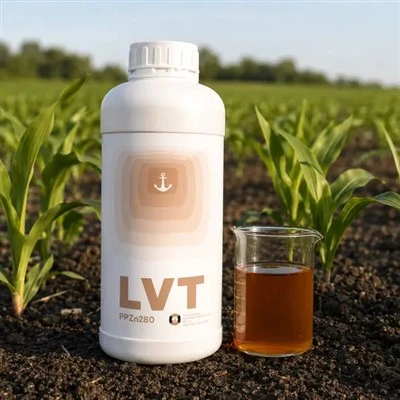
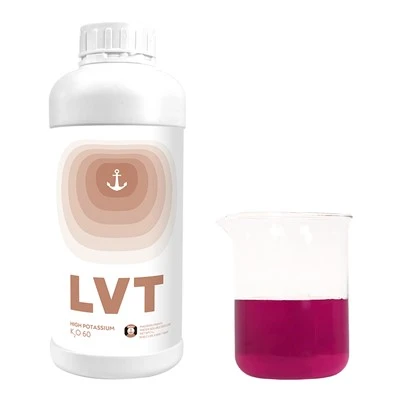
The product is a pink clear liquid produced through a synthetic process. It has a density of 1.38 g/mL, a pH of 7.5 ± 0.5 and a standard 1 L package. The only confirmed delivery method for this version is whole-canopy foliar spraying after dilution at 800–1,000 times.
2. Why Concentration Discipline Comes First
The main management issue is not whether boron is useful to crops. It is whether a particular crop needs another boron input at the proposed stage and concentration. Boron has a narrower margin between insufficient and excessive supply than many macronutrients, and tolerance differs among species, cultivars and production systems.
Before use, review boron already supplied through base fertilizer, fertigation, seed treatment and previous foliar sprays. The same check should include molybdenum and cobalt, especially in programs designed for legumes, oilseeds or seed production.
Nitrogen is declared at 50 g/L. Although it is not the dominant nutrient, it still contributes to total foliar nitrogen and should be counted where vegetative growth is already strong. Zinc is present at 1 g/L and should be treated as a supporting addition rather than the primary reason for selecting the product.
This is therefore a targeted concentrate: correct timing, accurate measurement and conservative first use matter more than frequent application.
3. Technical Data & Specifications
| Item | Specification |
|---|---|
| Boron (B) | ≥150 g/L |
| Molybdenum (Mo) | ≥5 g/L |
| Cobalt (Co) | ≥0.5 g/L |
| Nitrogen (N) | ≥50 g/L |
| Zinc (Zn) | ≥1 g/L |
| Organic Matter | ≥120 g/L |
| Manufacturing Process | Synthetic process |
| Formulation | Concentrated clear liquid |
| Appearance | Pink clear liquid |
| Density | 1.38 g/mL |
| pH | 7.5 ± 0.5 |
| Standard Package | 1 L bottle |
| Confirmed Application Method | Whole-canopy foliar spraying |
The guaranteed contents are stated in grams per liter. They should not be converted directly into percentage-by-weight claims without using the correct test basis and confirmed product density.
4. Reading the Formula Element by Element
Boron defines the product
At 150 g/L, boron is the principal selection factor and the main reason application needs careful control. Boron is associated with actively developing and reproductive tissues, but the product should not be presented as a guaranteed treatment for flower loss, poor pollination, hollow stems or fruit disorders.
Molybdenum and cobalt shape the specialist positioning
Molybdenum is declared at 5 g/L and cobalt at 0.5 g/L. These values distinguish the formula from a general boron spray and may be relevant in selected legume and nitrogen-metabolism programs. Actual value depends on crop requirements, soil conditions, inoculation practices and the rest of the nutrition plan.
Zinc is a secondary trace addition
Zinc is present at 1 g/L. It adds breadth to the micronutrient profile but does not make this a high-zinc corrective fertilizer. Where zinc deficiency is the main concern, a zinc-led formula may be the more appropriate choice.
Nitrogen and organic matter form the base
The formula contains nitrogen at 50 g/L and organic matter at 120 g/L. Organic matter content does not establish organic certification, particularly because the confirmed manufacturing method is synthetic.
5. Selecting the Application Window
Ahead of reproductive development
The product may be considered before visible flowering when crop records, tissue analysis or local agronomic guidance indicate a combined B–Mo–Co requirement. An early application should not be added automatically to a program that already contains another boron concentrate.
Flowering period
Selected crops may receive foliar micronutrients around flowering, but spray timing deserves care. Avoid hot, drying weather and periods of heavy pollinator activity. Sensitive crops should be tested at 1:1,000 before any wider application.
Early pod, seed or fruit formation
For legumes, oilseeds, seed crops and selected fruiting crops, the formula may remain relevant during early reproductive development. Later applications should be reconsidered if the crop no longer needs additional boron or if other products have raised the cumulative trace-element load.
6. Crop Groups and Decision Points
Grain legumes and forage legumes
Soybean, pea, bean, alfalfa and related crops are logical candidates for evaluation because molybdenum and cobalt are often considered in legume nutrition programs. The product does not replace appropriate rhizobial inoculation, soil management or diagnosis of poor nodulation.
Oilseeds and seed-production crops
Canola, sunflower and selected commercial seed crops may be considered where boron and molybdenum requirements have been identified. Local crop recommendations are particularly important because boron tolerance and customary rates vary.
Orchards, vines and fruiting vegetables
Fruit trees, grapes, tomato, pepper, cucumber and melon should not receive this concentrate simply because they are flowering. Confirm the need for the complete B–Mo–Co–Zn combination and review every boron-containing product already in use.
Flowers and nursery crops
Ornamental species and young nursery plants can differ widely in foliar sensitivity. Treat a limited number of plants at the more dilute rate and observe them before expanding the application.
7. Application Directions
| Application Method | Recommended Dilution | Spray Target | Timing and Notes |
|---|---|---|---|
| Whole-canopy foliar spraying | 1:800–1,000 | Apply a fine, even mist to active foliage and relevant reproductive shoots without excessive runoff | Begin at 1:1,000 for first use, sensitive crops or unfamiliar varieties. Apply during the cooler part of the day and avoid overlapping boron-containing sprays unless the cumulative input has been checked. |

8. Treat the First Application as a Calibration Pass
Start with clean spray equipment and a known water source. Half-fill the tank, begin agitation, measure the required product and add it slowly to the moving water. Complete the water volume and mix until the pink solution is distributed uniformly.
For the first use on a crop or variety, select the 1:1,000 dilution and treat a clearly identified small area. Review the crop after an appropriate observation period before extending the spray across the complete field, orchard or greenhouse.
Coverage should be even rather than heavy. Adjust nozzle choice, pressure, travel speed and spray direction to reach the working canopy without creating large droplets or runoff. Do not compensate for poor coverage by increasing concentration.
When another fertilizer, pesticide, oil or plant growth regulator is planned in the same tank, dilute each material separately and conduct a jar test with the actual water. Do not use a mixture that develops cloudiness, sediment, separation, gel, persistent foam or abnormal heat. A physically stable mixture still requires a crop-safety test.
9. What Buyers Should Confirm Before Ordering
The updated specification is broader than the old page summary. In addition to B, Mo and Co, the confirmed formula contains nitrogen, zinc and organic matter. These items should appear consistently across the product page, quotation, technical data sheet, COA and destination-market label.
The product should be identified as a pink clear liquid manufactured through a synthetic process. It should not be described as chelated unless the exact complexing chemistry has been separately confirmed, and organic matter content should not be used to imply organic-farming approval.
For purchasing and registration, verify:
- The nutrient declaration basis is g/L.
- The physical form is a clear liquid, not a suspension.
- The standard package is a 1 L bottle.
- Whole-canopy foliar spraying at 800–1,000× is the confirmed use for this version.
- Any additional crop claims or application methods have separate technical support.
Store the tightly closed bottle away from direct sunlight, freezing and prolonged high temperatures. Inspect the solution and approved label before use.
10. FAQ
1. Is this product intended only for legumes?
No. Its Mo and Co profile may be considered in legume programs, but other crops may also use B- and Mo-containing foliar inputs. Selection should be based on the crop's complete micronutrient requirement and local guidance.
2. Can it be sprayed during full bloom?
Do not make a universal recommendation for every crop. Crop sensitivity, weather, pollinator activity and existing boron inputs should be reviewed. Begin with a small-area test at 1:1,000.
3. Why is 1:1,000 recommended for the first trial?
The product contains 150 g/L boron. Starting at the more dilute end reduces the concentration applied during the initial compatibility and crop-safety check.
4. Can it be combined with another boron fertilizer?
Avoid overlapping boron products unless the total input has been calculated and confirmed as appropriate for the crop. More boron does not automatically produce a better response.
5. Can it be applied by fertigation or root drenching?
Only whole-canopy foliar spraying has been confirmed for this product page. Contact the technical team before using another delivery method.
6. Does the organic matter content make it suitable for organic farming?
No. Organic matter content alone does not establish certification, and the confirmed production method is synthetic. Eligibility depends on ingredients, manufacturing documentation and destination-market rules.
Contact WEIFANG LVWEITE BIO-TECH CO., LTD. for:
- Product samples
- Technical data and COA
- MSDS
- OEM packaging
- Private-label production
- Export quotations
- Registration support
Hot Tags: high-boron b mo co zn liquid fertilizer | lvt, China high-boron b mo co zn liquid fertilizer | lvt manufacturers, suppliers, factory, micronutrient water soluble fertilizer