

Fruit Setting Liquid Fertilizer 15-10-30 + TE
Introduction
Fruit set is not a single moment. After pollination, flowers gradually give way to small fruitlets, while leaves, new shoots and developing fruit continue to compete for the nutrients produced and absorbed by the plant. This is usually the point when growers begin moving away from a phosphorus-led flowering formula.
LVT Fruit Setting Liquid Fertilizer provides 125 g/L nitrogen, 130 g/L phosphorus pentoxide and 300 g/L potassium oxide. The formula retains enough nitrogen for an active leaf canopy while shifting the main NPK emphasis toward potassium. Boron, molybdenum and copper complete the declared nutrient profile.
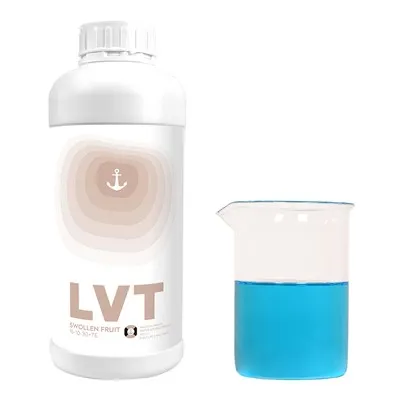
The product is supplied as a pale-blue clear liquid with a density of 1.42 g/mL and a pH of 7.0–7.5. It is intended for diluted whole-canopy foliar spraying after flowering and during the early stages of fruit development. It should be used as part of a crop-specific fertilizer program rather than as a guarantee against physiological fruit drop.
Technical Data & Specifications
| Parameter | Specification |
|---|---|
| Nitrogen (N) | ≥125 g/L |
| Phosphorus Pentoxide (P₂O₅) | ≥130 g/L |
| Potassium Oxide (K₂O) | ≥300 g/L |
| Boron (B) | ≥2.0 g/L |
| Molybdenum (Mo) | ≥0.5 g/L |
| Copper (Cu) | ≥0.5 g/L |
| Organic Matter | ≥50g/L |
| Formulation | Concentrated liquid |
| Appearance | Pale-blue clear liquid |
| Density | 1.42 g/mL |
| pH | 7.0–7.5 |
| Application Method | Foliar spraying |
| Available Service | OEM and private label |
Moving Beyond the Flowering Formula
A flowering-stage fertilizer and a fruit-setting fertilizer serve different points in the crop cycle. Before bloom, growers often select a phosphorus-led formula to match bud and flower development. Once fruitlets are visible, the feeding program usually begins to place more emphasis on continued leaf activity and potassium supply.
This 15-10-30 formulation reflects that change:
Potassium takes the lead
Potassium is the largest declared macronutrient component at 300 g/L. It forms the main nutritional direction of the product without reaching the more extreme potassium concentration normally associated with later fruit enlargement or ripening formulas.
Nitrogen remains present
Nitrogen is supplied at 125 g/L. The formula therefore continues to contribute to the crop's overall nitrogen program instead of removing nitrogen immediately after flowering.
Phosphorus is reduced, not removed
The phosphorus pentoxide concentration is 130 g/L, considerably lower than in a specialized flower booster. This makes the nutrient relationship more suitable for transitioning away from the flowering stage.
Trace elements complete the formula
Boron, molybdenum and copper are included at declared concentrations. Their contribution should be considered together with soil analysis, irrigation-water quality and other foliar or root-applied micronutrient products.
Recommended Application Window
The most appropriate timing is based on visible crop development rather than a fixed number of days.
The product may be considered when:
- Flowering is largely complete
- Petals have begun to fall
- Pollination has taken place
- Small fruitlets are clearly visible
- The fertilizer program is moving away from a high-phosphorus formula
- A later fruit-enlargement formula is not yet required
Application should be postponed if the crop is under severe heat, drought, waterlogging or other stress. Nutritional spraying cannot correct poor pollination, frost injury, pest damage or unsuitable environmental conditions.

Suitable Crops
The formula may be considered for:
- Apple, pear, peach and other orchard crops
- Citrus crops
- Grapes
- Strawberry and other berry crops
- Tomato, pepper and eggplant
- Cucumber and other fruiting vegetables
- Melon and watermelon
- Other crops managed with stage-specific foliar nutrition
Crop sensitivity, local climate and existing fertilizer inputs should be reviewed before selecting the final spray concentration.
Application Directions
| Application Method | Recommended Dilution | Application Guidance |
|---|---|---|
| Whole-canopy foliar spraying | 1:800–1,000 | Spray leaves and developing fruit structures evenly without excessive runoff |
Frequency should be set according to crop type, growth stage, local conditions and the complete fertilizer program.
Dilution Reference
| Product Quantity | 800× Dilution | 1,000× Dilution |
|---|---|---|
| 100 mL | 80 L water | 100 L water |
| 250 mL | 200 L water | 250 L water |
| 500 mL | 400 L water | 500 L water |
| 1 L | 800 L water | 1,000 L water |
Practical Foliar Application
For a first application, use the 1:1,000 dilution and test a small crop area before treating the full block.
Apply the spray as a fine, even mist. The aim is to cover the canopy without allowing large droplets to run from the leaves. Give particular attention to the foliage surrounding young fruit, while avoiding unnecessary spray loss to the ground.
Morning or late-afternoon treatment is generally preferable. Do not spray during intense sunlight, high temperatures, strong wind or immediately before rainfall. Avoid treating crops while pollinating insects are actively visiting open flowers.
The required spray volume depends on canopy size, planting density and spraying equipment. Large orchards should use properly calibrated orchard sprayers, while handheld or backpack equipment is more appropriate for nurseries, trials and limited planting areas.

Tank Preparation
- Check that the spray tank, filters and nozzles are clean.
- Fill the tank to approximately half of its required volume.
- Measure the fertilizer according to the final water volume.
- Add the product slowly while maintaining agitation.
- Add other compatible products separately.
- Complete the tank with water and continue mixing.
- Apply the prepared solution during the same working period.
- Rinse the tank and spray equipment with clean water after use.
The declared pH of 7.0–7.5 refers to the concentrated product. It should not be treated as the guaranteed pH of the final tank mixture because water quality and other inputs can change the result.
Compatibility Considerations
Do not pour undiluted fertilizer concentrates directly together. Before preparing a new tank mixture, complete a jar test using the same water and mixing proportions planned for field application.
Extra caution is required when combining phosphate-containing fertilizers with concentrated calcium products. If cloudiness, sediment, separation, excessive foam or unusual heat develops, do not use the mixture.
Compatibility in a jar does not automatically establish crop safety. A small-area foliar test is still recommended when the product is used on a new crop or variety.
Packaging and Export Supply
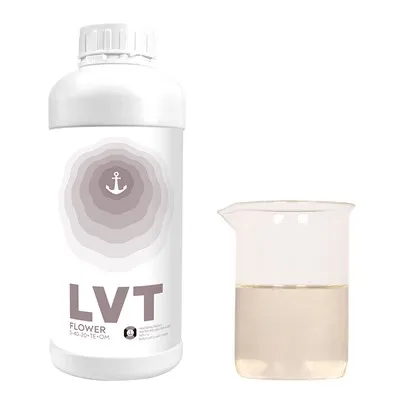
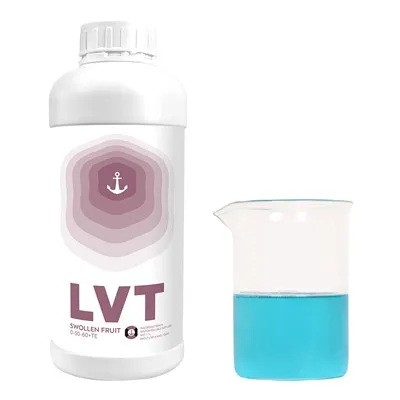
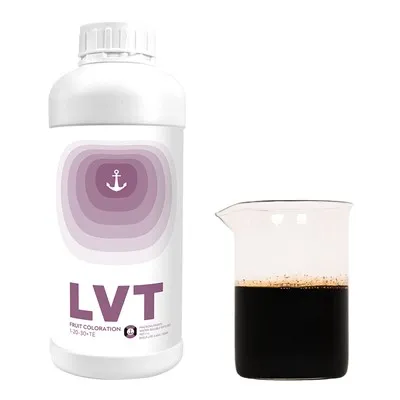
The reference presentation uses a white plastic bottle with an LVT private-label design. Final bottle volume and carton configuration can be confirmed according to the destination market and order requirements.
Available export services include:
- Private-label production
- Customized bottle sizes
- Multilingual label design
- Export carton customization
- Product samples
- Technical specification
- Certificate of Analysis
- MSDS documentation
- Registration-document support
- Pallet and shipping-mark configuration
FAQ
1. When should this product replace a flower booster?
It may be introduced after the main flowering period when pollination has occurred and small fruitlets are visible. Crop development should guide the timing.
2. Does 15-10-30 mean percentage by weight?
Not automatically. The confirmed analysis is expressed in grams per litre: N ≥125 g/L, P₂O₅ ≥120 g/L and K₂O ≥300 g/L.
3. Can it be used during full bloom?
The formula is primarily positioned after flowering. Where many flowers remain open, consider pollinator activity, crop sensitivity and the intended stage of the nutrition program before spraying.
4. Can this product guarantee that fruit will not drop?
No. Fruit retention is also affected by pollination, temperature, water availability, crop load, pests, diseases and plant condition. Fertilizer should not be presented as a guarantee against fruit drop.
5. Can it be applied through fertigation?
The confirmed instructions supplied for this version cover foliar spraying only. Fertigation directions should not be published unless they are separately confirmed by the technical department.
6. Which dilution is suitable for a first trial?
Begin with a 1:1,000 dilution and test a small area. The concentration can then be reviewed according to crop response and the complete spray program.
Request a Sample or Quotation
Contact WEIFANG LVWEITE BIO-TECH CO., LTD. to request samples, current specifications, COA, MSDS, private-label packaging or an export quotation.
Hot Tags: fruit setting liquid fertilizer 15-10-30 + te | lvt, China fruit setting liquid fertilizer 15-10-30 + te | lvt manufacturers, suppliers, factory, Bloom booster fertilizer, Flower Booster Water Soluble Fertilizer, Fruit Coloring Water Soluble Fertilizer, Fruit Setting Water Soluble Fertilizer, functional npk water soluble fertilizer, NPK fertilizer for coloration