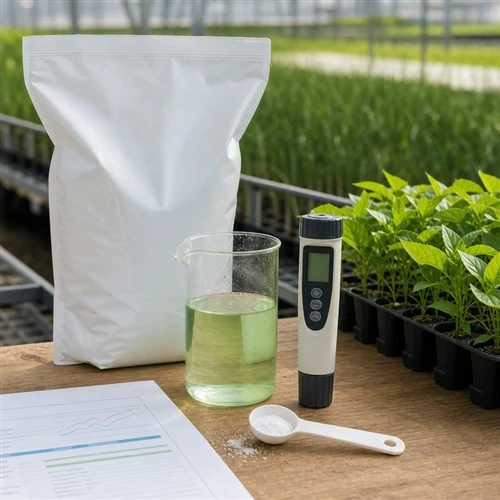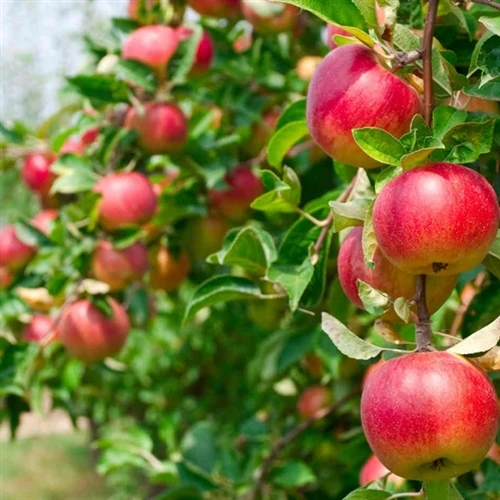
Common micronutrient fertilizers include iron, boron, zinc, manganese, copper, and molybdenum fertilizers. Most of these are soluble compounds and are essential micronutrients for crop growth and development. However, because crops require very small amounts of these elements, they are called micronutrients.
The specific micronutrient fertilizers used vary depending on the region and the crop, but they generally produce significant yield increases, typically ranging from 5% to 50%, especially in medium- and low-yield fields. In areas with severe micronutrient deficiencies, targeted application of micronutrient fertilizers to fruit trees and vegetables can greatly increase crop yields.
The application of micronutrient fertilizers primarily improves the inorganic nutrient balance of crops. Micronutrient fertilizers not only significantly increase crop yields but also improve the quality of agricultural products. For cash crops such as cotton and kenaf, increased application of micronutrient fertilizers can also enhance fiber strength.
For example:
Zinc fertilizer: Promotes nitrogen absorption by plants, prevents zinc deficiency-induced yellowing of leaves, reduces fruit acidity, increases sugar content, and promotes early ripening.
Boron fertilizer: Benefits root growth and development, increases fruit set rate, and prevents growing point necrosis caused by boron deficiency.
When selecting micronutrients, choose the appropriate one based on the crop's current needs. For example, supplement with iron and zinc fertilizers during the seedling stage, use boron fertilizer before flowering, and use calcium fertilizer during fruit enlargement. However, most single-element micronutrient fertilizers use inorganic salts, which have poor absorption in the soil, offer limited preventative effects, and require frequent application and more manual labor because they cannot effectively supplement other elements. Multi-element micronutrient fertilizers, on the other hand, can more comprehensively supplement various elements.